- CA : 1001 Wilshire Blvd, Los Angeles, CA 90017
- NY: 1178 Broadway, 3rd Floor #3067, New York, NY 10001
Messy books, missed deadlines, and financial blind spots don’t have to be part of running a business. Ledger Labs is a CPA and IRS Enrolled Agent–led firmproviding outsourced accounting and bookkeeping services to US businesses from $1M–$20M in revenue.
You will receive a monthly report that covers bookkeeping, accounts payable, accounts receivable, payroll, and financial reporting. Our dedicated team ensures everything is complete on time without you needing to ask.
Happy Clients
Years in industry
Strong team







When your books are wrong, everything downstream suffers: you price on numbers you can’t trust, miss deductions no one flagged, and get blindsided by cash flow your reports never warned you about. Our CPA-led accounting and bookkeeping services fix that at the source: clean, accurate, on-time books you can actually run the business on.
Problem: Reports need double- and triple-checking because you don't trust the numbers.
Fix: Clean, reconciled books you can act on without second-guessing.
Problem: Statements show up late, incomplete, or not at all.
Fix: Complete financials delivered on a fixed monthly schedule.
Problem: Hours lost every week to manual work that should be automated.
Fix: We automate the busywork, so your books update without the grind.
Problem: In-house accounting costs keep climbing with no clear ROI.
Fix: A fixed-fee team that costs less than an in-house hire, no surprises.
Problem: Tax laws changed while no one was watching, and now you're exposed.
Fix: CPA-led oversight keeps your books compliant as the rules change.
Problem: Software was never set up right, so the data can't be trusted.
Fix: We configure your accounting stack correctly, so clean data comes out.


Most owners don't need more advice about their finances; they need someone to actually handle them. Here's what our CPA-led outsourced accounting and bookkeeping services cover, every month, without you having to ask.

Every transaction recorded, reconciled, and organized; clean books you can trust, closed on schedule.

Monthly statements and the KPIs that matter, so you're pricing, hiring, and spending on numbers you trust.

Every vendor bill tracked and paid on time, no late fees, no strained supplier relationships.

Invoices sent, tracked, and followed up, so cash comes in faster, and nothing slips through.

Payroll processed accurately and on time, with filings handled across every state you employ in.

Inventory recorded and reconciled so COGS and margins are accurate, critical for product businesses.

We keep your books tax-ready year-round and hand clean financials to your tax team. For filing and compliance, see our tax compliance services.

We track and reconcile sales tax data across your channels. For registrations, nexus, and filing, see our sales tax services.
Changing your accounting and bookkeeping provider can be stressful. We understand that. You have likely spent a lot of time explaining your business to someone who still didn’t fully understand it. We created our own onboarding process to address this issue.
Here’s what happens from your first call to receiving your first clean report.
We begin by thoroughly assessing your financial records, identifying inefficiencies, and pinpointing areas for cost optimization. This allows us to recognize the areas of improvement and help you put together a robust accounting strategy. We dig into your books to find what’s missing, broken, or holding you back. Then, we lay out exactly what needs fixing — so you’re no longer guessing and finally have a clear path to clean, accurate finances.
As soon as we finalize a comprehensive plan of action for your books, the next step is to deploy this plan. We do this by ensuring we have proper internal and external control of data. Internally, we ensure that financial records are organized, reconciled, and regularly monitored. Externally, we implement secure data-sharing protocols and compliance measures to safeguard financial information.
Accounting is an evolving process, and we continuously refine financial strategies to enhance profitability. We ensure full compliance with tax regulations, conduct regular audits, and provide proactive recommendations to keep your business on the right track. And one of the best ways for us to do this is by building custom apps and workflows for your business - all powered by AI.
Our system provides up-to-date financial reports, allowing you to track performance, monitor key metrics, and make data-driven decisions. With detailed reports and regular insights, you gain complete control over your business finances and witness the financial health of your company improve. Our reporting system helps you identify trends, address potential issues proactively, and optimize cash flow management.



We understand your industry’s challenges and are here to provide personalized accounting and bookkeeping services that help you thrive.
Let’s work together to keep your finances on track!
Channel-level sales, payouts, ad spend, and fulfillment costs, reconciled to the penny. We turn multi-platform chaos into clean margins you can actually read.
Job costing, COGS, and inventory tied back to the floor. We clear the bottlenecks, so you know exactly what each product costs to make.
Entity-by-entity books and property-level P&Ls, clean enough for investors and lenders. Know which properties earn and which ones drain.
Investor-ready financials, burn and runway tracking, and books that scale with every raise. Make confident calls before the cash runs low.
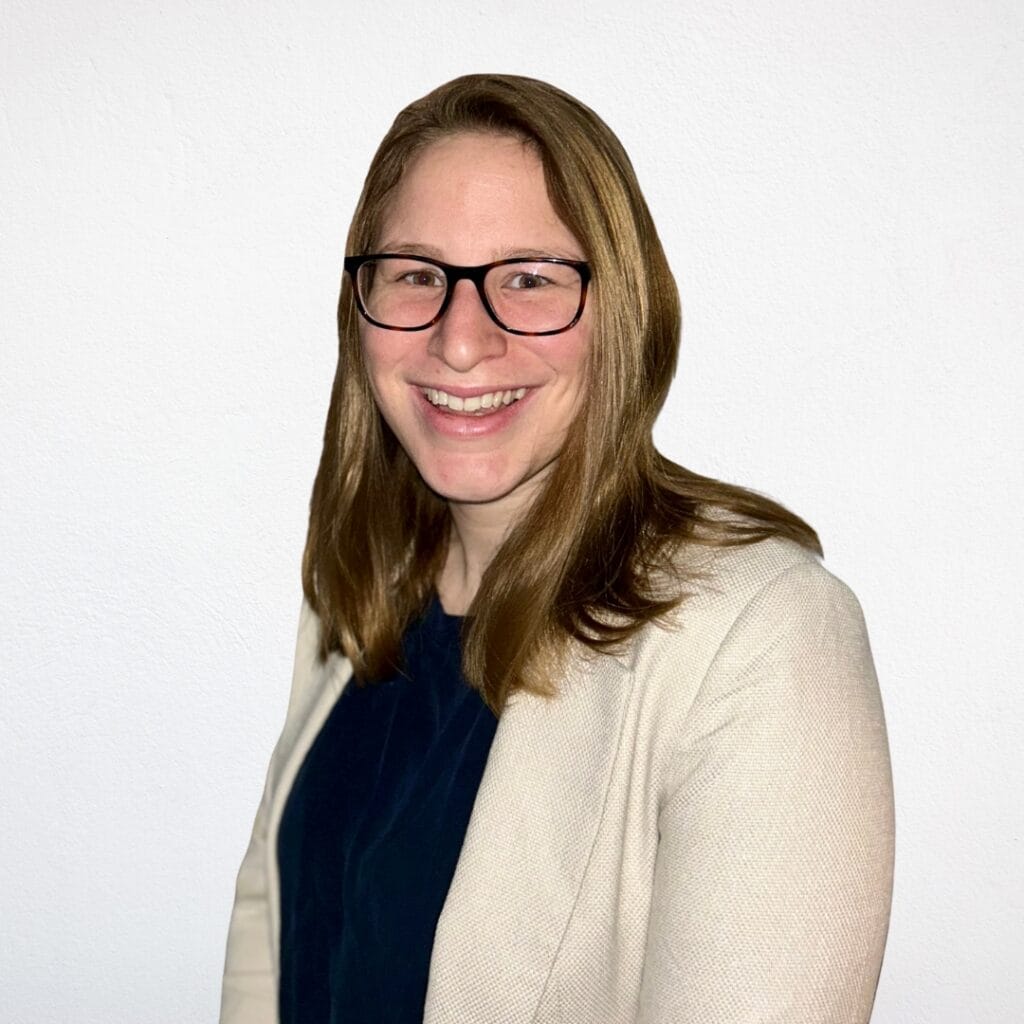
Operations Manager
Allison is a Certified Public Accountant (CPA) and a member of the AICPA. She oversees operations at Ledger Labs, ensuring accurate, compliant financials for hundreds of clients. With experience in both public and private accounting, she builds scalable systems that support fast-growing ecommerce businesses.
Operations Manager
Allison Rinehimer is the Operations Manager at Ledger Labs, where she combines her CPA expertise with a forward-thinking approach to accounting operations and team efficiency. A solutions-oriented problem-solver, she brings a unique ability to align strategic vision with day-to-day execution. With experience across both public and private accounting, Allison leads the development of internal systems that support scalable, high-impact client delivery—powering hundreds of engagements with accuracy and compliance.
Education:

Accountant
Matt brings 7+ years of accounting experience across ecommerce, SaaS, and technology. He specializes in financial reporting, month-end close management, and ERP implementations (including NetSuite transitions). Matt ensures our clients get accurate, timely financials they can rely on for growth decisions.
Accountant
Matt Hidalgo is an Accountant at Ledger Labs, currently on a development path to become a Controller. With over seven years of experience across healthcare advertising, e-commerce, and technology, Matt delivers detail-driven accounting insights that improve financial processes and enhance operational efficiency. He is recognized for his analytical mindset, precision, and ability to strengthen accounting systems in fast-moving environments.
Education:




Most outsourced accounting and bookkeeping services look the same on the surface until something goes wrong. Here’s what actually separates us from every other bookkeeping service provider you’ve worked with or considered.
| Feature | Ledger Labs | Other Accounting & Bookkeeping Firms |
|---|---|---|
| Pricing | Fixed, transparent pricing, no surprises | Higher costs with hidden fees |
| Expertise | Industry-specialized accountants with deep domain experience | Generic bookkeepers with one-size-fits-all processes |
| Financial Strategy | Data-driven strategies built around your growth goals | Basic recordkeeping with no forward-looking insight |
| Scalability | Services that grow as your business grows | Rigid packages that can't adapt |
| Reporting | Real-time dashboards and AI-enabled reporting | Delayed, manual reports delivered too late to act on |
| Cash Flow Management | Proactive monitoring, problems flagged before they hit | Reactive tracking, you find out after the damage is done |
| Tax & Compliance | Full U.S. tax compliance across federal, state, and local | Limited compliance support that leaves gaps |
| Team Structure | Dedicated bookkeeper, accountant, and manager on your account | Whoever is available that month |
| Technology | Cloud-based tools, automation, and software implementation | Outdated systems with manual workarounds |
| Fraud Prevention | Regular audits, reconciliations, and internal controls | No systematic oversight or checks |
Find out what our customers are saying about our reviews.
Our financials used to show up weeks late, if at all. Now I get complete statements on the same date every month, without chasing anyone. That alone changed how I run the business; I'm finally ahead of problems instead of reacting to them.
Ingrid Solberg OwnerOur in-house accounting costs kept climbing, and I couldn't point to what we were actually getting for it. Switching to Ledger Labs gave us a full team for a fixed monthly fee — less than one in-house hire, and far more reliable. The ROI was obvious within a quarter.
Terrence Ofori Managing DirectorOur accounting software was never set up properly, so the data coming out of it was useless. Ledger Labs reconfigured the whole stack and automated the manual work we'd been drowning in. Clean data in, hours back every week, exactly what we needed.
Priyanka Deshmukh CEOWe work with US-based businesses and US subsidiaries from $1M to $20M in revenue, ecommerce, SaaS, manufacturing, real estate, startups, and professional services. We provide accounting and bookkeeping services in the USA nationwide from offices in Los Angeles and New York, including state and local compliance in every state you operate in.
We work in QuickBooks, Xero, NetSuite, Odoo, Sage Intacct, and Microsoft Dynamics, the accounting software most US businesses run on, plus Brex, Melio, Synder, and Finale Inventory. You reach us on WhatsApp, Slack, MS Teams, or email; projects run in Asana and ClickUp. Everything is cloud-based, so we provide accounting and bookkeeping services in the USA nationwide, from Los Angeles and New York.
Our years of experience and exposure to various businesses are summarized in these articles!
From saving thousands to scaling fast, these stories highlight how we help businesses grow smarter with real financial strategy and execution.



We use cookies to enhance your experience and analyse traffic. Privacy Policy
Your selection is saved for 1 year.
 | Thank you for Signing Up |


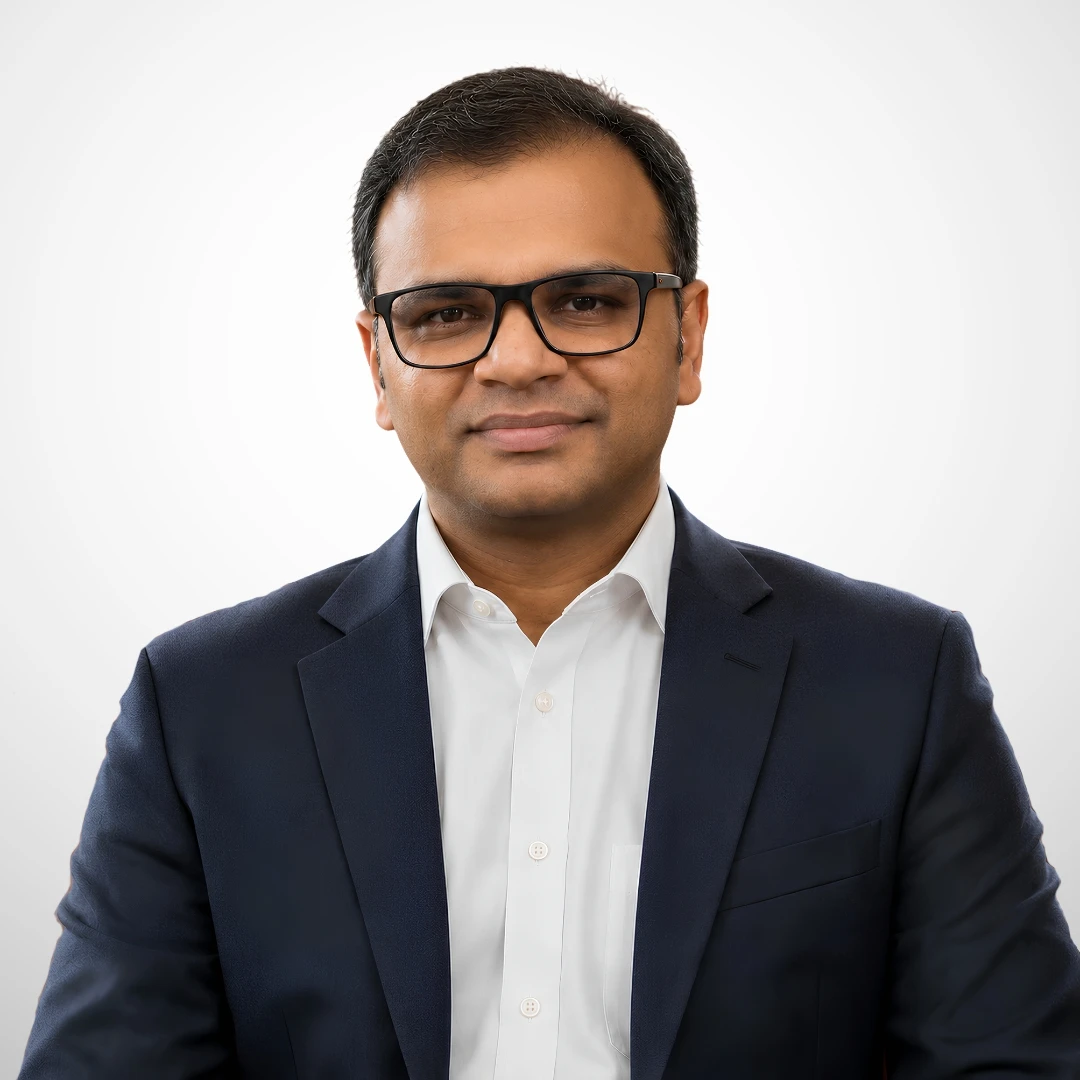
We were making pricing calls on numbers I didn't fully trust; every report needed double-checking. Ledger Labs cleaned up our books, and now they're reconciled and reliable. For the first time, I make decisions without second-guessing the numbers underneath them.
Warren Castellano Founder