
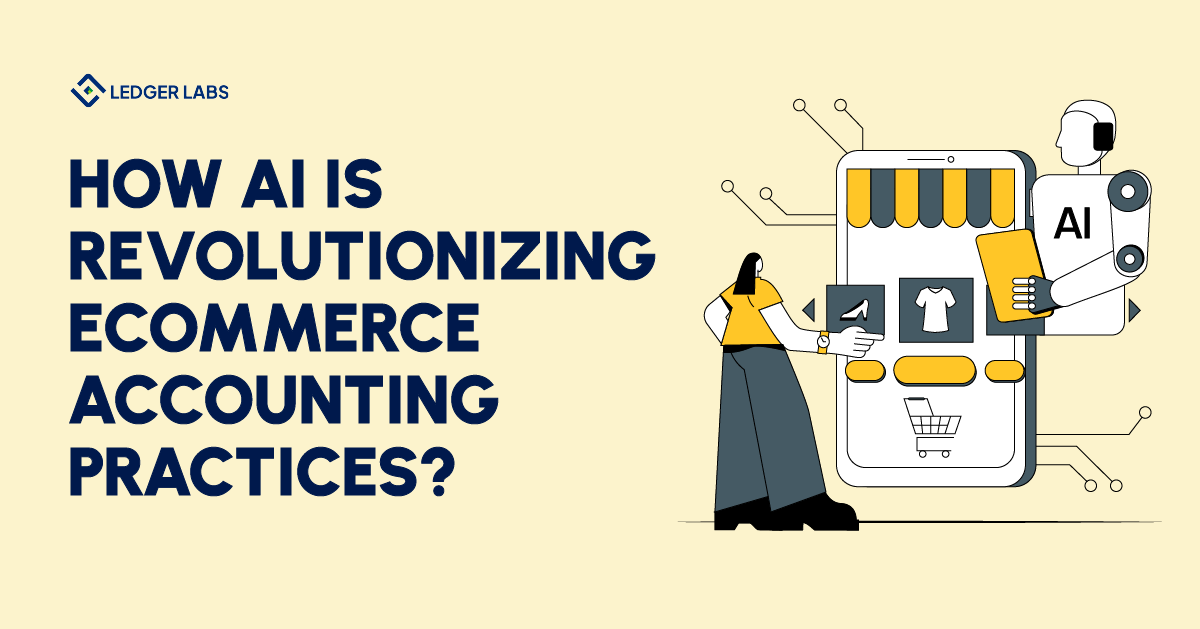
Artificial intelligence is no longer a buzzword or a futuristic concept but a transformative tool actively shaping our accounting practices today.
It is making remarkable strides in every industry, and e-commerce is no exception.
Artificial intelligence helps you turn numbers into insights, analyzing high volumes of financial data quickly.
Having unprecedented potential, AI can automate repetitive accounting processes and support your regulatory compliance work.
Let’s explore how artificial intelligence is transforming e-commerce accounting practices.
- Optical Character Recognition (OCR) and Machine Learning (ML) are tools that automate data entry tasks and bank reconciliations.
- AI helps automate several repetitive tasks like data entry, increasing workflow efficiency.
The role of AI in e-commerce accounting
Artificial intelligence (AI) is transforming e-commerce accounting by automating tedious processes, providing real-time insights, and enhancing decision-making capabilities.
Just a few years back we barely had any concept of AI or how its implications could prove beneficial for a business.
Fast forward to now, most of the complicated financial tasks, even for a small business, seem possible because of AI.
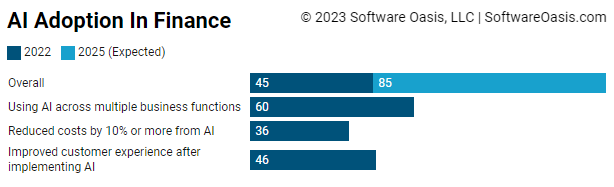
Talking about huge businesses, they handle vast amounts of financial data, comply with evolving tax regulations, and ensure accuracy—all while delivering exceptional customer experiences.
AI steps in as a reliable partner, simplifying these challenges and redefining efficiency.
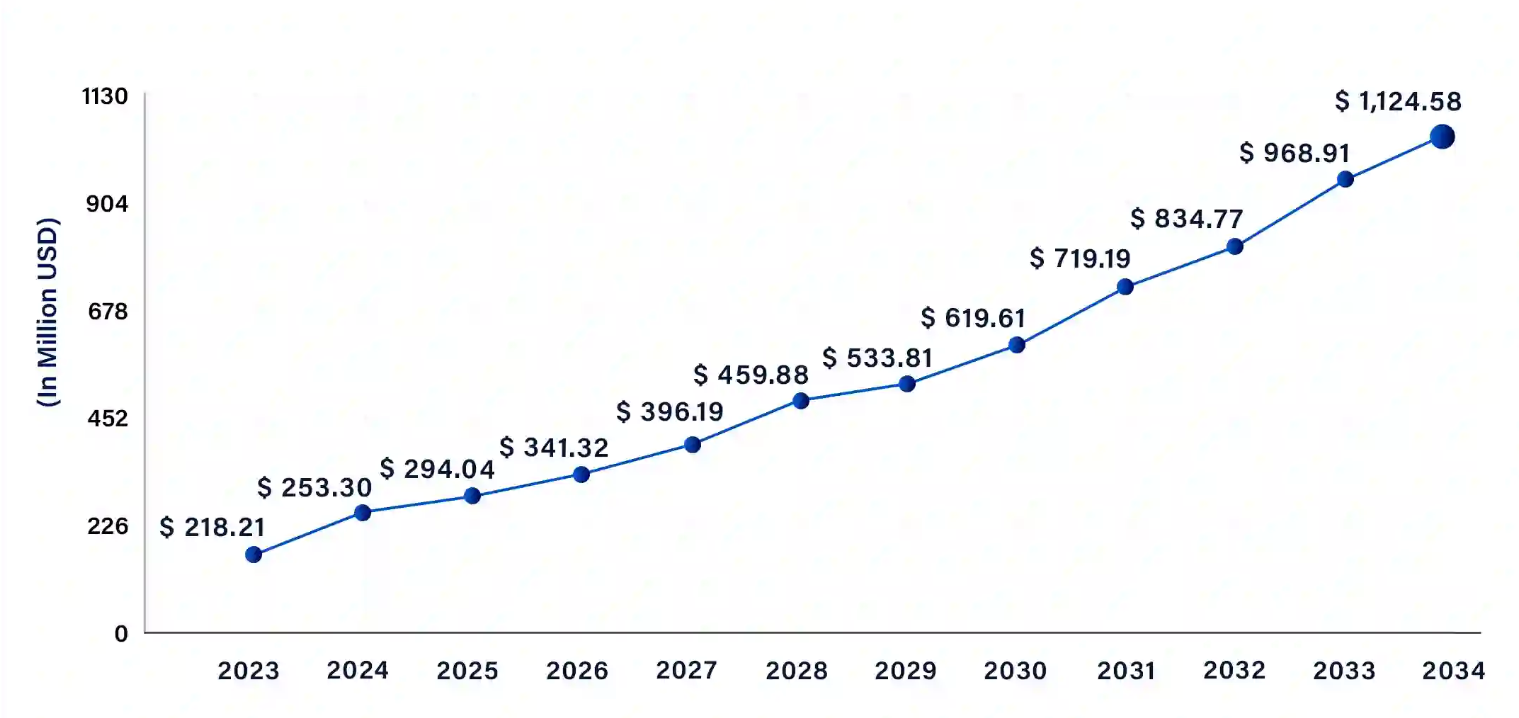
AI-powered e-commerce accounting software can speed up data capture and help match bank transactions, with a person reviewing the results.
Accounting software such as Xero can help with sales tax calculations, but filings still need a person to review them.
Beyond streamlining accounting processes, AI strengthens customer relationship management (CRM). Advanced AI tools analyze customer behavior, enabling businesses to create personalized reports and improve communication strategies. Solutions like an AI spokesperson can further enhance engagement by delivering tailored video messages and reports that can be shared internally and externally among teams and clients. This data-driven approach fosters stronger customer loyalty and satisfaction.
E-commerce platforms leveraging AI, such as implementing NetSuite ERP, can identify purchasing trends and optimize marketing campaigns.
How the integration of artificial intelligence is transforming the accounting industry?
AI is now almost synonymous with efficiency.
Artificial intelligence uses tools to analyze data at lightning speed without losing grip on accuracy. Now this is a task that once took a significant amount of time and resources.
It is important to understand that the intention is to do things more efficiently, not just faster.
This change of perspective has helped many accountants focus more on building strategies instead of sitting behind the desk and performing routine tasks, like recording daily transactions and creating financial reports. With AI, many repetitive tasks can be automated, and a person reviews the exceptions.
Look at KPMG Ignite to understand how AI has impacted businesses. It is an AI-driven platform that offers a variety of tools for data analysis.
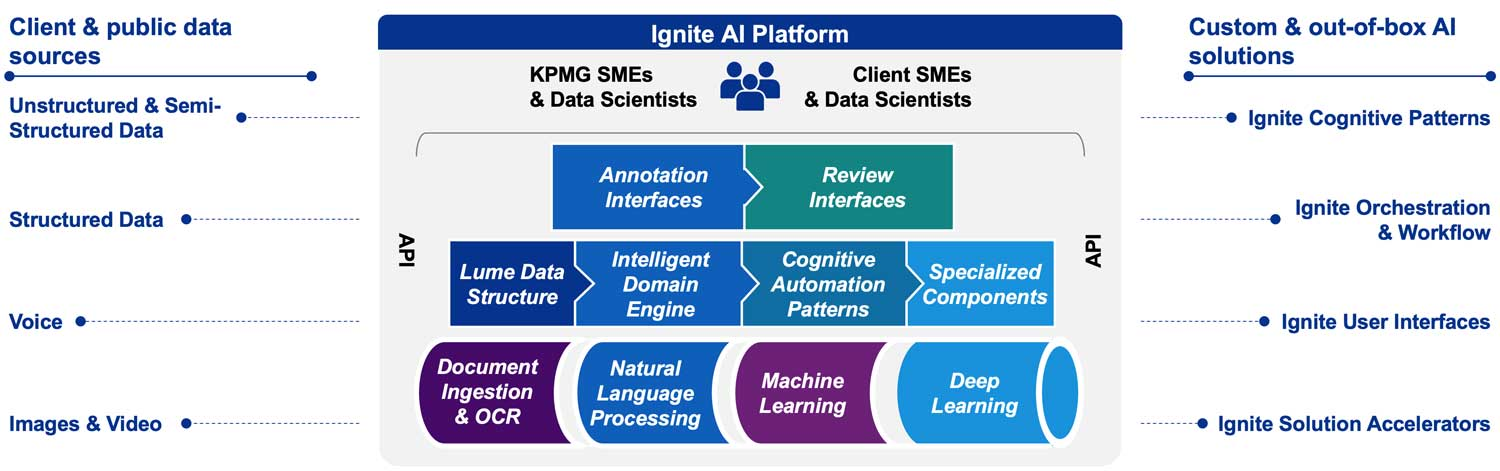
These tools help businesses identify trends and utilize data more strategically. It basically converts numbers into insights.
Now this is a task that humans previously did.
So you might assume that AI will soon take over the accounting profession. But in reality, the narrative is far from the truth.
What it has done is it has challenged accountants and encouraged them to diversify their skills.
Today, accountants work with AI tools, creating a hybrid culture where both humans and machines coexist and promote continuous growth and learning.
AI offers real-time financial insights to accountants, enabling them to provide more strategic and efficient support to their clients. It helps accountants offer more value to their customers.
For example, e-commerce businesses integrate NetSuite ERP powered by AI to analyze customer behavior and purchasing trends. This information helps them create better products and marketing campaigns, adding more value to their customers.
3 ways AI is helping e-commerce accounting
Let’s move forward and discuss how AI makes your e-commerce accounting efficient.
1. Automated data entry and reconciliation
If you look at traditional data entry and bank reconciliation practices, you’ll realize that they are time-consuming and resource-intensive.
And not to forget, manual data entries were easily prone to human error. Accountants would be spending hours recording and reconciling bank statements, receipts, and invoices.
AI has seamlessly solved this problem with tools like Optical Character Recognition (OCR) and Machine Learning (ML).
Finance leaders are increasingly investing in GenAI for fraud detection and workflow optimization.
These tools can extract data from financial documents and suggest matches against the organization’s accounting system, with a person reviewing the exceptions.
This automation reduces repetitive tasks and speeds up the workflow.
2. Tax Compliance
It can be challenging to keep track of the constantly changing tax regulations, something that becomes even more difficult if you’re dealing with different states and countries.
This problem can become an obstacle to ensuring compliance. However, AI tools can help businesses apply complex tax rules, while a person still prepares and reviews the return.
Take Xero, for example. This accounting software can help businesses calculate sales tax, but it does not remove the need for a person to check the figures before filing.
3. Improved customer relationship management
If you’re constantly occupied with tasks like creating personalized reports and tracking customer interactions, you will not be able to scale your operations.
AI improves your customer relationship management by allowing you to handle customer or client data with more accuracy. Several tasks get automated, like tracking communication.
CRM systems help implement a data-driven approach to handling client, improving their satisfaction and loyalty towards your brand.